An independent English magazine on corporate investigations
Corporate investigations, due diligence and compliance
An independent magazine on corporate investigations, due diligence and compliance, explained in plain English.

Start with the sections
Four guides, from the record to the proof
Each section opens with an index of its guides. Pick the verification before a deal, the investigation of an incident, the compliance and evidence rules, or the vocabulary of the field.
 01
01Due Diligence
Verifying a counterparty before a deal: company records, ownership, litigation history, reputation and the handling of red flags.
 02
02Fraud and Investigations
The response to an incident: forensic accounting, asset tracing, interviews and the evidence file a court will read.
 03
03Compliance and Regulation
The rules and the records: KYC and anti-money-laundering duties, monitorships and the handling of digital evidence.

Section 1 of 4
Due Diligence
Verifying a counterparty before a deal: company records, ownership, litigation history, reputation and the handling of red flags.

Due Diligence
What Corporate Due Diligence Covers
What a corporate due diligence check actually covers, from company records and ownership to litigation history and reputation, and how the findings are used.
Registers, filings and ownership: the scope of a check, step by step.

Due Diligence
The Reputation Audit Before a Deal
How a reputation audit works before a deal: media and court records, public roles, political exposure and the limits of what public sources can show.
Media, court records and public roles, and the limits of each.
Section 2 of 4
Fraud and Investigations
The response to an incident: forensic accounting, asset tracing, interviews and the evidence file a court will read.

Fraud and Investigations
Internal and External Fraud Investigation
How an internal or external fraud investigation is run: the first 48 hours, evidence control, forensic accounting, interviews and the final report.
The first 48 hours, forensic accounting, interviews, the report.
Fraud and Investigations
Asset Tracing: Following the Money
How asset tracing follows money through banks, companies and property: public registers, corporate filings, court orders and the limits of each method.
Banks, company layers and land registers, and where a trace stops.
Fraud and Investigations
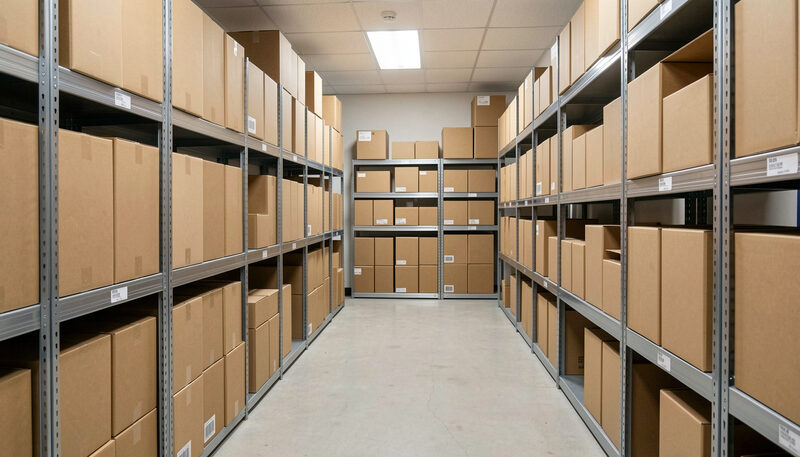
Litigation Support and the Evidence File
What litigation support covers: collecting and numbering documents, preserving evidence, building a chronology and presenting complex facts to a court.
Document control, chronologies and presenting facts to a court.
From the archive
Guides that keep their historical addresses
This domain published a corporate and financial investigations firm's pages for years. These guides answer the same subjects at the same addresses, rewritten as a neutral magazine.
Restored guide
What Corporate Due Diligence Covers
Registers, filings and ownership: the scope of a check, step by step.
Restored guide
Internal and External Fraud Investigation
The first 48 hours, forensic accounting, interviews, the report.
Restored guide
Asset Tracing: Following the Money
Banks, company layers and land registers, and where a trace stops.
Restored guide
Litigation Support and the Evidence File
Document control, chronologies and presenting facts to a court.
Restored guide
Cyber Crime and Digital Evidence
Devices, logs and the chain of custody a court expects.
Restored guide
Compliance Monitoring and Monitorships
What a monitor tests, who it reports to, how it ends.
Section 3 of 4
Compliance and Regulation
The rules and the records: KYC and anti-money-laundering duties, monitorships and the handling of digital evidence.
Compliance and Regulation
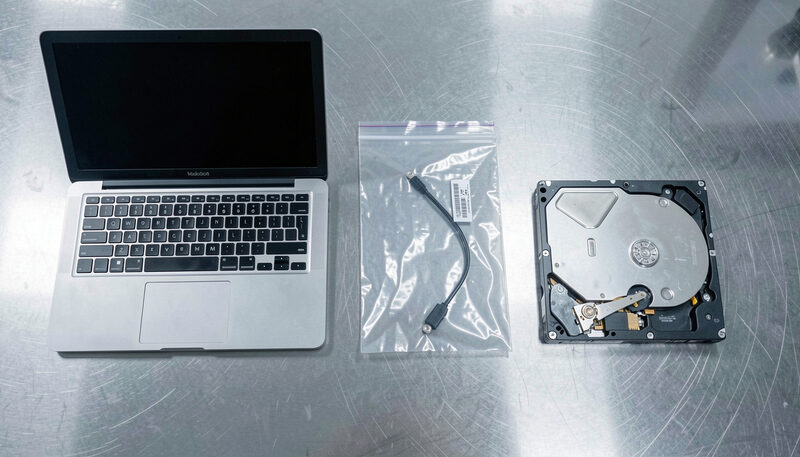
Cyber Crime and Digital Evidence
How digital evidence is handled in a cyber crime case: identifying devices and logs, preserving them without change, and the chain of custody a court expects.
Devices, logs and the chain of custody a court expects.
Compliance and Regulation
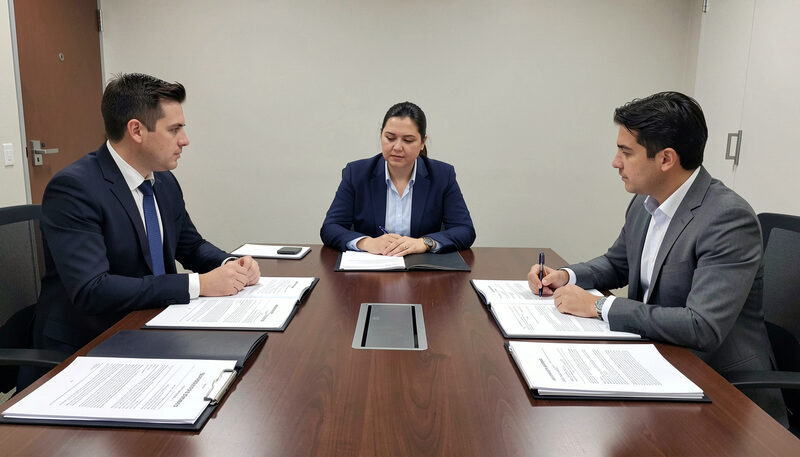
Compliance Monitoring and Monitorships
How a compliance monitor or monitorship works after a settlement: what the monitor tests, who it reports to, and how the arrangement ends.
What a monitor tests, who it reports to, how it ends.

Compliance and Regulation
KYC and AML: What Due Diligence Asks
What know-your-customer and anti-money-laundering checks require of a firm, from identity and ownership to source of funds and ongoing monitoring.
Identity, beneficial ownership, source of funds and monitoring.
The reading room
Public records and standards worth a bookmark
The Diligence Review sells nothing and answers to no firm. These independent sources publish the registers, investigations and standards this magazine cites, so a reader can check an original document.
Outside this site
OpenCorporates
An open database that aggregates company registers from many jurisdictions, a practical first stop when the country of registration is not known.
Company registers, aggregated.
Outside this site
OCCRP
Cross-border investigations into corporate structures, money flows and the people behind them, published by a network of journalists.
Investigative reporting across borders.
Outside this site
ICIJ Offshore Leaks
A searchable public database of companies, trusts and foundations drawn from large sets of leaked records.
Offshore structures, searchable by name.
Outside this site
ACFE
Research on how occupational fraud is committed and detected, drawn from cases reported by fraud examiners.
How fraud happens and how it is found.
Outside this site
The Sedona Conference
Widely cited principles on electronic discovery and the handling of documents in litigation.
Evidence and disclosure principles.
Outside this site
NIST CFTT
A programme that tests and publishes specifications for digital forensic tools, used by laboratories and practitioners.
Standards for forensic tools.
The file in pictures
Five scenes from the guides
Five photographs from the guides below, each with the page that explains the scene in full.
Scene 1
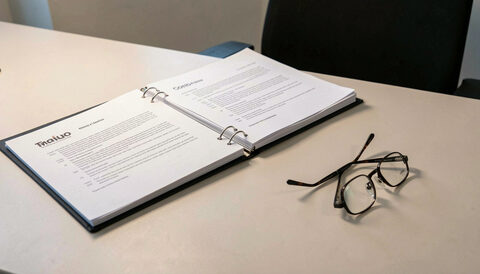
Read the record before the deal
Registers, filings and ownership are the skeleton of every check; the due diligence section shows the order they are read in.

Scene 2
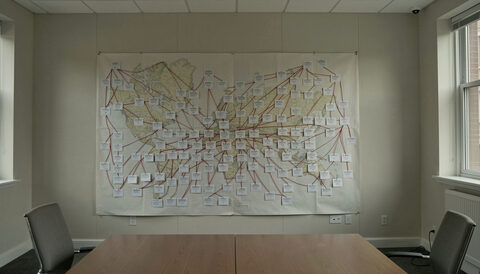
The first hours decide the case
Evidence is perishable. The fraud guide follows the response from the first alert to the written report.
Scene 3
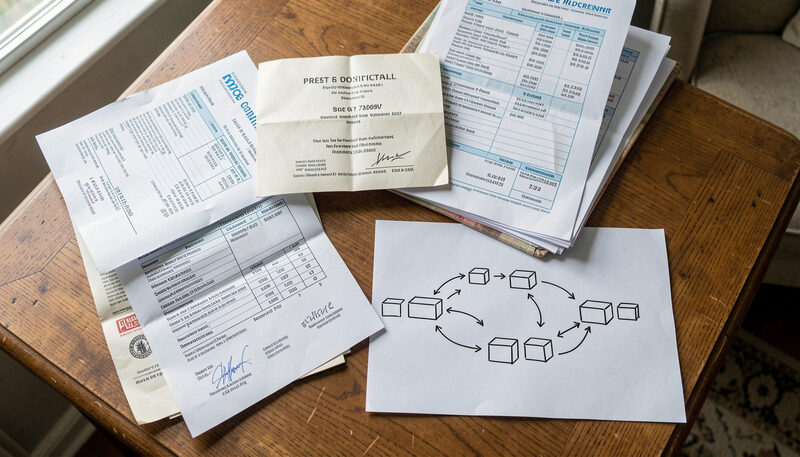
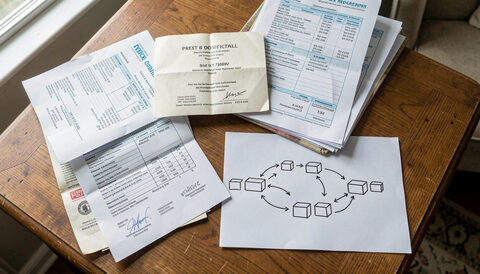
Follow the money, and its limits
Banking records, company layers, land registers: what an asset trace can find, and where the trail stops.
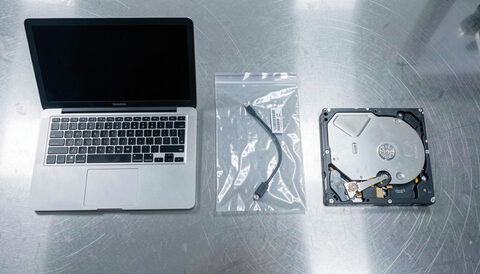
Scene 4
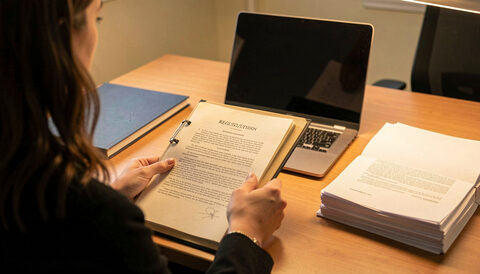
Most evidence is now digital
Identify, preserve, examine. The cyber guide covers the chain of custody a court will accept.

Scene 5
Know the customer, and the owner
Identity, beneficial ownership, source of funds and the monitoring that never stops.